
Endometriosis is a medical condition in which tissue similar to the lining of the uterus grows outside the uterus. Among its many symptoms, individuals with endometriosis often experience constipation, adding to the overall discomfort associated with the condition. Managing constipation in the context of endometriosis requires a multifaceted approach that addresses both the physical and emotional aspects of this challenge.
1. Hydration and Dietary Fiber:
- Adequate hydration and a fiber-rich diet are fundamental in promoting regular bowel movements. Ensure you’re drinking enough water throughout the day and incorporating high-fiber foods such as fruits, vegetables, and whole grains into your diet. Fiber adds bulk to the stool and helps it pass through the digestive system more easily. Drink plenty of water throughout the day. Proper hydration softens the stool, making it easier to pass.
2. Regular Exercise:
- Engaging in regular physical activity can stimulate bowel function and alleviate constipation. Low-impact exercises like walking, yoga, or swimming can be beneficial for those with endometriosis, as they provide gentle movement without causing excessive strain.
3. Mindful Eating:
- Pay attention to your eating habits and try to establish a regular meal schedule. Eating mindfully, without rushing, can aid digestion and prevent constipation. Avoid rushing through meals, as this can contribute to digestive issues. Additionally, be mindful of specific trigger foods that may worsen your symptoms.
4. Probiotics:
- Probiotics, available in supplement form or through fermented foods like yogurt, can promote a healthy gut microbiome. This, in turn, may contribute to improved digestive function and help alleviate constipation. Probiotics promote a healthy balance of gut bacteria, which can aid digestion.
5. Prunes and Prune Juice:
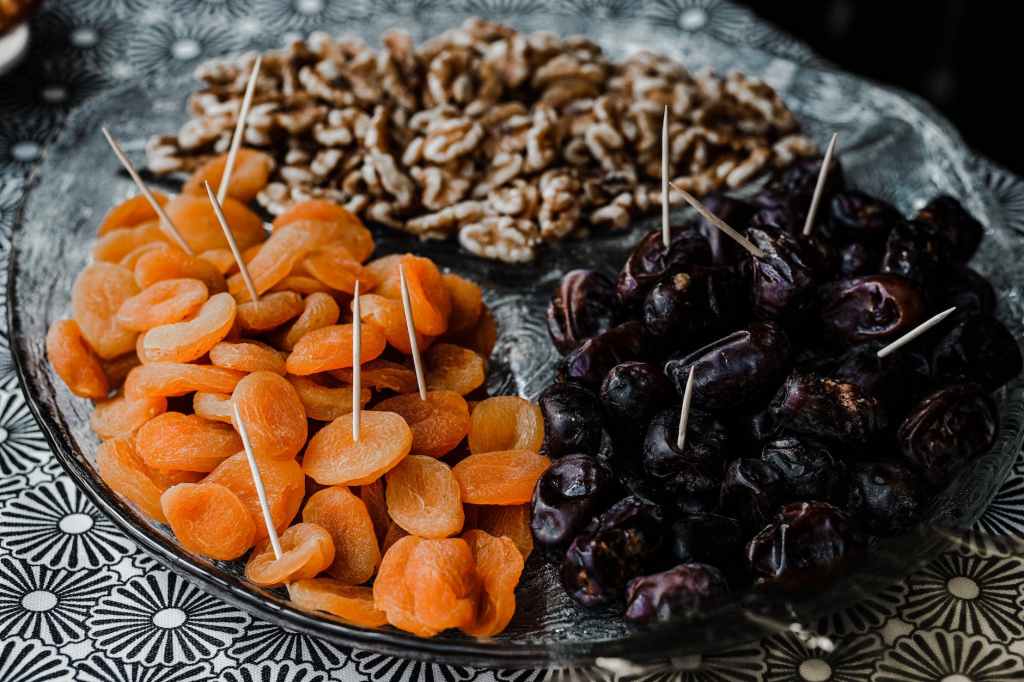
- Prunes are a natural laxative due to their high fiber and sorbitol content. Prune juice can also be effective in relieving constipation.
6. Limit Processed Foods:
- Reduce intake of processed and low-fiber foods, as they can contribute to constipation.
7. Warm Beverages:
- Warm liquids, such as herbal tea or warm water with lemon, may stimulate bowel movements.
8. Pain Management:
- Since endometriosis is often associated with pelvic pain, managing pain effectively can indirectly improve bowel function. Yoga and breathing techniques can also help to manage pain.
9. Stress Reduction Techniques:
- Stress can exacerbate digestive issues, so incorporating stress-reduction techniques like mindfulness, meditation, or deep breathing exercises may positively impact both mental well-being and bowel function.
10. Lifestyle Modifications:
- Consider lifestyle adjustments such as maintaining a healthy weight, avoiding excessive caffeine and alcohol intake, and getting sufficient sleep. These factors can contribute to overall well-being, including digestive health. Both caffeine and alcohol can contribute to dehydration, so consume them in moderation and ensure adequate water intake.
11. Avoid Holding It In:
- Respond promptly to the body’s natural urge to have a bowel movement. Holding it in can lead to harder stools and worsen constipation.
In conclusion, managing constipation in the presence of endometriosis requires a holistic approach. By combining lifestyle modifications, dietary changes, and open communication with healthcare professionals, individuals can enhance their overall well-being and alleviate the discomfort associated with constipation in the context of endometriosis.
 Together is better
Leave a comment