
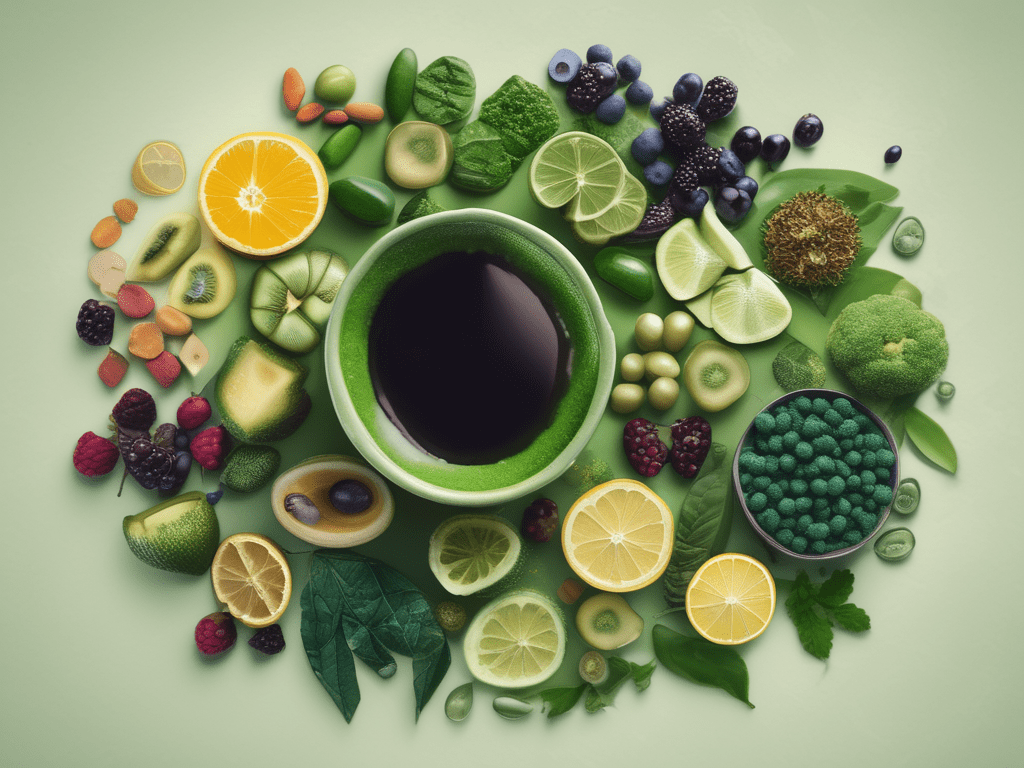
Heavy metal toxicity is increasingly recognized as a contributing factor to various health issues, including hormonal imbalances. For women suffering from conditions such as endometriosis, detoxifying from heavy metals can be a crucial step towards achieving better health and symptom relief. This article delves into the importance of heavy metal detoxification in the context of hormonal imbalances and provides practical guidance on effective detoxification strategies, including dietary and supplemental support.
The Impact of Heavy Metals on Hormonal Health
Heavy metals such as lead, mercury, cadmium, and arsenic can disrupt endocrine function by mimicking or interfering with the body’s natural hormones. This disruption can exacerbate hormonal imbalances and contribute to conditions like endometriosis by:
- Interfering with Hormone Synthesis: Heavy metals can inhibit the production of hormones, leading to imbalances.
- Mimicking Hormones: Some heavy metals can bind to hormone receptors, mimicking natural hormones and disrupting normal hormonal activity.
- Increasing Oxidative Stress: Heavy metals can generate free radicals, leading to oxidative stress and inflammation, which are closely linked to endometriosis and other inflammatory conditions.
- Impeding Detoxification Pathways: Heavy metals can overload the liver, impeding its ability to detoxify and process hormones effectively.
Given these impacts, detoxifying from heavy metals is an important step in managing hormonal imbalances and improving symptoms associated with endometriosis.
Effective Strategies for Heavy Metal Detoxification
Dietary Approaches
- Cruciferous Vegetables: Vegetables such as broccoli, cauliflower, Brussels sprouts, and kale contain compounds that support liver detoxification processes. They are rich in antioxidants and sulfur-containing compounds like sulforaphane, which help in detoxifying heavy metals
- Leafy Greens: Spinach, kale, and cilantro are high in chlorophyll, which can help bind and remove heavy metals from the body. Cilantro, in particular, is known for its ability to mobilize mercury and other heavy metals.
- Garlic and Onions: These are rich in sulfur, which enhances the production of glutathione, a key antioxidant involved in detoxification.
- Citrus Fruits: Lemons, limes, and oranges are high in vitamin C, which supports the body’s natural detoxification pathways and helps reduce oxidative stress.
- Berries: Blueberries, strawberries, and blackberries are packed with antioxidants and fiber, aiding in detoxification and protecting the body from oxidative damage.
- Spirulina and Chlorella: These algae are potent detoxifiers that can bind to heavy metals and facilitate their elimination from the body.
- Hydration: Staying well-hydrated helps flush toxins out of the body. Drinking plenty of water supports kidney function and helps in the excretion of heavy metals through urine.
Supplements
- N-Acetyl Cysteine (NAC): This precursor to glutathione enhances the body’s ability to detoxify heavy metals and protect against oxidative stress.
- Glutathione: As the body’s master antioxidant, glutathione directly binds to heavy metals and aids in their removal.
- Milk Thistle: This herb supports liver health and enhances its detoxification capacity.
- Alpha-Lipoic Acid: This antioxidant can chelate heavy metals and support detoxification processes.
- Chlorella Supplements: Taken as a supplement, chlorella can help remove heavy metals from the body, particularly mercury.
Lifestyle Practices
- Sweating: Engaging in activities that induce sweating, such as exercise and sauna use, can help eliminate heavy metals through the skin.
- Regular Bowel Movements: Ensuring regular bowel movements is crucial for the excretion of toxins. A diet high in fiber from fruits, vegetables, and whole grains can support healthy digestion and detoxification.
Foods and Supplements for Heavy Metal Detoxification
Foods
- Broccoli: Rich in sulforaphane, supports liver detoxification.
- Cilantro: Known for its heavy metal chelation properties.
- Garlic: High in sulfur compounds, boosts glutathione production.
- Lemons: High in vitamin C, supports detox pathways.
- Blueberries: Packed with antioxidants, reduces oxidative stress.
- Spirulina and Chlorella: Binds to heavy metals and facilitates their removal.
Supplements
- N-Acetyl Cysteine (NAC): Boosts glutathione levels.
- Glutathione: Directly detoxifies heavy metals.
- Milk Thistle: Supports liver function.
- Alpha-Lipoic Acid: Chelates heavy metals.
- Chlorella: Effective in binding and removing heavy metals.
Detoxifying from heavy metals is a critical component of managing hormonal imbalances, especially for women with endometriosis. By adopting a diet rich in detoxifying foods, staying hydrated, incorporating targeted supplements, and engaging in lifestyle practices that promote detoxification, women can reduce their toxic load and support hormonal balance. Always consult with a healthcare provider before starting any new detox regimen, especially if you have a pre-existing health condition. Through mindful and informed choices, it is possible to mitigate the effects of heavy metal exposure and improve overall health and well-being.
 Together is better
Leave a comment