
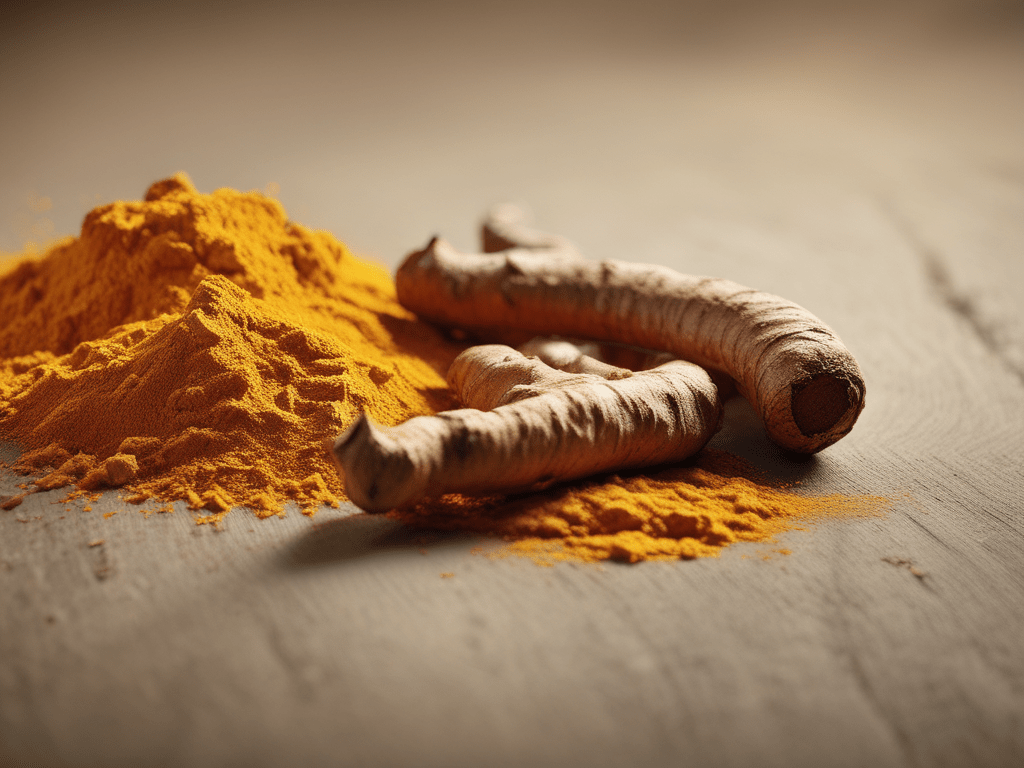
Turmeric, a golden-yellow spice derived from the Curcuma longa plant, has been used for centuries in traditional medicine for its potent anti-inflammatory properties. Recent scientific research has validated many of these traditional uses, particularly in the context of managing hormonal imbalances and conditions such as endometriosis. This article explores the anti-inflammatory effects of turmeric, its benefits for women with endometriosis, and how to effectively incorporate it into your diet.
Understanding Endometriosis and Inflammation
Endometriosis is a chronic condition where tissue similar to the lining of the uterus grows outside the uterine cavity, causing pain, inflammation, and often leading to fertility issues. The inflammatory nature of endometriosis is a significant contributor to its symptoms, including pelvic pain, heavy menstrual bleeding, and pain during intercourse.
Inflammation in endometriosis is driven by an overactive immune response and the production of pro-inflammatory cytokines and prostaglandins, which exacerbate pain and tissue damage. Managing inflammation is, therefore, a critical aspect of alleviating the symptoms of endometriosis.
Turmeric and Its Active Compound Curcumin
The primary active component of turmeric is curcumin, which is responsible for most of its medicinal properties. Curcumin has been extensively studied for its anti-inflammatory, antioxidant, and analgesic effects. These properties make it a promising natural remedy for managing inflammation and pain associated with endometriosis.
Scientific Evidence Supporting Turmeric’s Benefits in Endometriosis
Several studies have highlighted the potential benefits of turmeric and curcumin in managing endometriosis:
- Anti-Inflammatory Properties: Curcumin inhibits the activity of nuclear factor-kappa B (NF-κB), a protein complex that plays a crucial role in regulating the immune response to infection. By inhibiting NF-κB, curcumin reduces the production of pro-inflammatory cytokines. A study published in the Journal of Reproductive Immunology demonstrated that curcumin could reduce inflammatory markers in endometriosis, thereby alleviating symptoms.
- Pain Relief: Curcumin has been shown to reduce the synthesis of prostaglandins, which are lipid compounds that contribute to inflammation and pain. A study in the European Journal of Pharmacology found that curcumin could effectively reduce pain and inflammation in animal models of endometriosis.
- Antioxidant Effects: Oxidative stress plays a significant role in the pathophysiology of endometriosis. Curcumin’s antioxidant properties help neutralize free radicals, reducing oxidative stress and its associated damage. Research published in the Journal of Endometriosis and Pelvic Pain Disorders found that curcumin’s antioxidant activity could protect against the oxidative damage seen in endometriosis.
How to Use Turmeric for Managing Endometriosis
To reap the benefits of turmeric for managing endometriosis, it is essential to incorporate it effectively into your diet. Here are some practical ways to use turmeric:
- Turmeric Tea:
- Ingredients: 1 teaspoon of ground turmeric, 1 cup of water, a pinch of black pepper, and a sweetener like honey (optional).
- Preparation: Boil the water, add the turmeric and black pepper, and let it simmer for 10 minutes. Strain and add honey if desired. Drink this tea once or twice daily.
- Golden Milk:
- Ingredients: 1 cup of milk (dairy or plant-based), 1 teaspoon of ground turmeric, 1/4 teaspoon of ground ginger, a pinch of black pepper, and honey or maple syrup to taste.
- Preparation: Warm the milk in a saucepan, add the turmeric, ginger, and black pepper. Stir well and let it simmer for a few minutes. Add honey or maple syrup and drink this soothing beverage before bedtime.
- Turmeric Supplements:
- Dosage: Curcumin supplements are available in capsule form. The typical recommended dosage ranges from 500 to 2000 mg of curcumin per day, divided into several doses. However, it is crucial to consult with a healthcare provider before starting any supplement regimen to ensure safety and appropriate dosing.
- In Cooking:
- Usage: Add turmeric to soups, stews, curries, and stir-fries. Combining turmeric with black pepper enhances its absorption due to the presence of piperine in black pepper, which increases curcumin’s bioavailability.
Turmeric, with its potent anti-inflammatory and antioxidant properties, offers a promising natural approach to managing the symptoms of endometriosis. Scientific research supports its effectiveness in reducing inflammation, alleviating pain, and combating oxidative stress, all of which are crucial for women suffering from endometriosis. Incorporating turmeric into your daily routine, whether through dietary means or supplements, can be a beneficial adjunct to conventional treatments, helping to improve the quality of life for those affected by this chronic condition. Always consult with a healthcare professional before making significant changes to your treatment regimen.
 Together is better
Leave a comment