
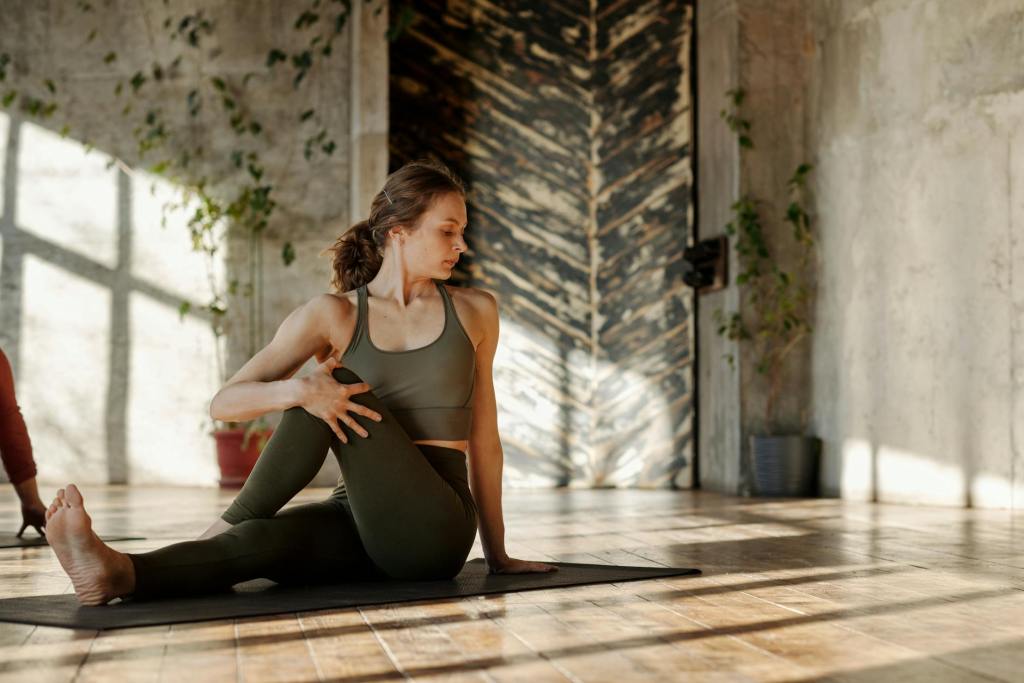
Yoga, an ancient practice combining physical postures, breathing exercises, and meditation, has gained recognition for its wide range of health benefits. For women with hormonal imbalances and conditions like endometriosis, yoga can be particularly beneficial. This article explores the scientific data supporting yoga’s positive effects on endometriosis and provides five yoga postures that can help manage symptoms such as flatulence, pelvic pain, heavy bleeding, menstrual pain, and abdominal gas.
Research suggests that yoga can significantly benefit women with endometriosis by addressing both physical and emotional symptoms. Key findings include:
- Pain Reduction: A study published in the Journal of Alternative and Complementary Medicine found that women who practiced yoga experienced a significant reduction in pelvic pain compared to those who did not practice yoga .
- Stress and Anxiety Relief: Endometriosis often leads to chronic stress and anxiety. Yoga has been shown to lower cortisol levels and improve overall mood, providing mental health benefits that complement physical relief .
- Improved Quality of Life: Research published in Pain Medicine demonstrated that yoga can enhance the quality of life for women with chronic pelvic pain, including those with endometriosis. Participants reported improvements in physical function, mental health, and overall well-being .
- Hormonal Balance: Regular yoga practice can help regulate the endocrine system, aiding in hormonal balance. This is crucial for managing symptoms of endometriosis, which are often exacerbated by hormonal fluctuations .
Yoga Postures for Managing Endometriosis Symptoms
Here are five yoga postures that can help alleviate symptoms of endometriosis, along with step-by-step instructions for each:
1. Supta Baddha Konasana (Reclining Bound Angle Pose)
Benefits: This pose helps relieve menstrual pain, abdominal discomfort, and stress.
Steps:
- Sit on the floor with your legs extended.
- Bend your knees and bring the soles of your feet together, allowing your knees to fall open to the sides.
- Slowly lean back, using your hands for support, until your back rests on the floor.
- Place your arms comfortably at your sides, palms facing up.
- Hold the pose for 5-10 minutes, breathing deeply and relaxing into the stretch.
2. Balasana (Child’s Pose)
Benefits: Child’s Pose helps alleviate pelvic pain and stress while gently stretching the back and hips.
Steps:
- Kneel on the floor with your big toes touching and knees apart.
- Sit back on your heels and extend your arms forward on the floor, resting your forehead on the mat.
- Breathe deeply and hold the pose for 1-2 minutes, focusing on relaxing the lower abdomen and pelvic area.
3. Apanasana (Knees-to-Chest Pose)
Benefits: This pose helps relieve gas and bloating, and it gently massages the abdominal organs.
Steps:
- Lie on your back with your legs extended.
- Draw your knees towards your chest, wrapping your arms around them.
- Hold your knees close to your chest and gently rock side to side.
- Hold the pose for 1-2 minutes, breathing deeply.
4. Setu Bandhasana (Bridge Pose)
Benefits: Bridge Pose helps reduce menstrual discomfort and strengthens the pelvic floor muscles.
Steps:
- Lie on your back with your knees bent and feet hip-width apart.
- Press your feet into the floor and lift your hips towards the ceiling.
- Clasp your hands underneath your back and press your arms into the mat for support.
- Hold the pose for 30 seconds to 1 minute, then slowly lower your hips back to the floor.
5. Supta Matsyendrasana (Reclining Twist Pose)
Benefits: This pose aids in digestion, reduces bloating, and alleviates lower back pain.
Steps:
- Lie on your back with your legs extended.
- Bend your right knee and cross it over your left leg, bringing it towards the floor.
- Extend your arms out to the sides, forming a T-shape, and turn your head to the right.
- Hold the pose for 1-2 minutes, then switch sides and repeat.
Incorporating yoga into your routine can be a powerful way to manage the symptoms of endometriosis and improve your overall quality of life. The scientific evidence supports yoga’s effectiveness in reducing pain, stress, and hormonal imbalances associated with endometriosis. The five yoga postures outlined above are simple yet effective techniques to help alleviate symptoms such as flatulence, pelvic pain, heavy bleeding, menstrual pain, and abdominal gas. By practicing these poses regularly, women with endometriosis can find both physical relief and mental calm, contributing to a better quality of life.
 Together is better
Leave a comment