
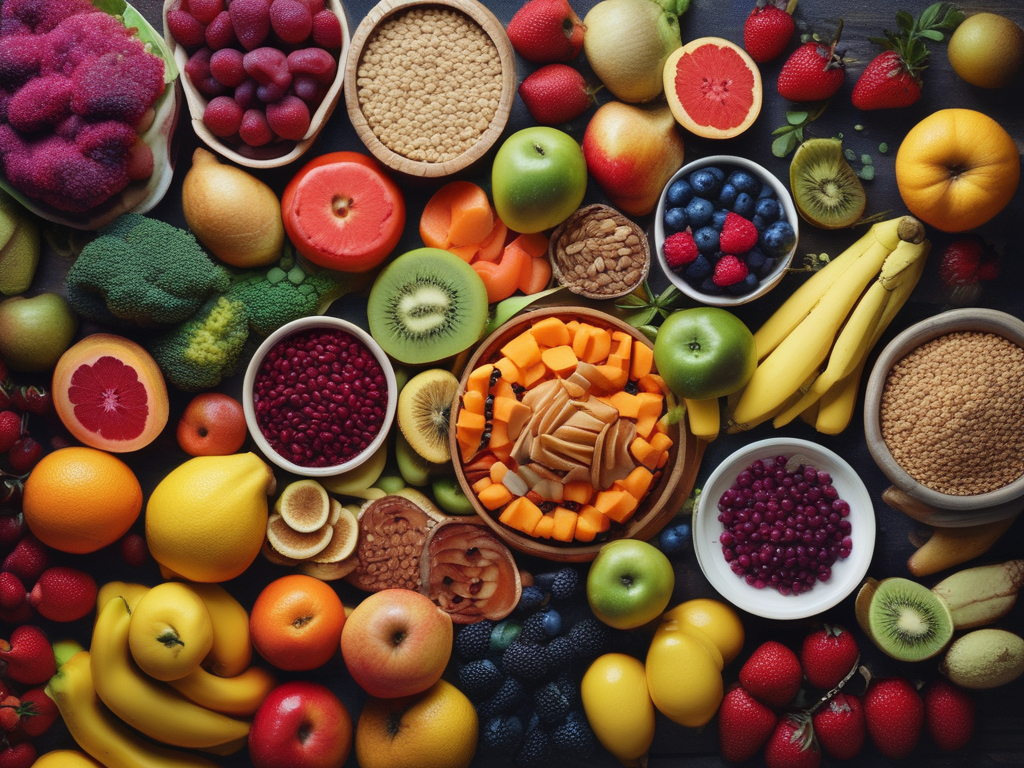
While there is no cure for endometriosis, dietary changes can play a significant role in managing symptoms, reducing pain, and possibly decreasing the recurrence of the disease. This article explores dietary recommendations supported by scientific data to help women with endometriosis manage their condition effectively.
The Role of Diet in Endometriosis
Diet influences inflammation, hormone balance, and overall health, all of which are critical factors in managing endometriosis. Certain foods can exacerbate inflammation and hormone imbalances, while others can help reduce these effects.
Recommended Dietary Strategies
- Anti-inflammatory Foods:
- Fruits and Vegetables: Rich in antioxidants, vitamins, and minerals, fruits and vegetables can help combat inflammation. A study published in “Reproductive Sciences” found that women who consumed more fruits and vegetables had a lower risk of developing endometriosis.
- Omega-3 Fatty Acids: Found in flaxseeds and walnuts, omega-3s have potent anti-inflammatory effects. Research in “The American Journal of Clinical Nutrition” showed that higher omega-3 intake was associated with reduced endometriosis pain.
- Whole Grains: Whole grains like brown rice, quinoa, and oats are high in fiber, which can help reduce estrogen levels by promoting healthy digestion and regular bowel movements. A study in “Human Reproduction” indicated that dietary fiber intake was inversely associated with endometriosis risk.
- Limit Inflammatory Foods:
- Red Meat and Processed Meats: These are high in saturated fats and can promote inflammation. A study in “Human Reproduction” found that high consumption of red meat was linked to an increased risk of endometriosis.
- Refined Sugars and Carbohydrates: These can cause spikes in blood sugar and insulin levels, promoting inflammation. Reducing intake of sugary foods and refined grains can help manage symptoms.
- Dairy Products: Some women with endometriosis may find that dairy products exacerbate their symptoms. While more research is needed, a study in “Reproductive Biology and Endocrinology” suggested that dairy intake could influence endometriosis symptoms.
- Gluten-Free Diet:
- Some women with endometriosis report symptom improvement on a gluten-free diet. A study in “Minerva Chirurgica” found that 75% of women with endometriosis experienced a significant reduction in pain after 12 months on a gluten-free diet.
- Soy and Phytoestrogens:
- Soy products contain phytoestrogens, which can have a mild estrogenic effect. The role of soy in endometriosis is controversial, but some studies suggest that moderate soy intake might help balance estrogen levels. However, it is essential to monitor individual responses to soy consumption.
- Nutrient-Rich Foods:
- Iron-Rich Foods: Endometriosis can cause heavy menstrual bleeding, leading to iron deficiency. Include iron-rich foods like leafy greens, lentils, and beetroot to prevent anemia.
- Magnesium-Rich Foods: Magnesium can help relax muscles and reduce pain. Foods high in magnesium include spinach, nuts, seeds, and whole grains.
Supplements for Endometriosis Management
- Omega-3 Supplements:
- If it is challenging to get enough omega-3s from food, consider taking fish oil supplements. Studies have shown that omega-3 supplements can reduce inflammation and pain in endometriosis patients.
- Vitamin D:
- Vitamin D deficiency is common in women with endometriosis. A study in “Fertility and Sterility” found that vitamin D supplementation could reduce endometriosis lesions and associated inflammation.
- Curcumin (Turmeric):
- Curcumin, the active ingredient in turmeric, has strong anti-inflammatory properties. A study in “The Journal of Cell Biochemistry” found that curcumin could inhibit the growth of endometriosis cells and reduce inflammation.
- N-acetylcysteine (NAC):
- NAC is an antioxidant that can reduce oxidative stress and inflammation. A study in “Gynecological Endocrinology” showed that NAC supplementation reduced the size of endometriomas and improved fertility outcomes.
Lifestyle Tips
- Hydration:
- Drink plenty of water to support overall health and reduce bloating, a common symptom of endometriosis.
- Regular Exercise:
- Exercise can help reduce inflammation, improve mood, and manage pain. Aim for moderate, regular physical activity like walking, swimming, or yoga.
- Stress Management:
- Chronic stress can exacerbate endometriosis symptoms. Practices like mindfulness, meditation, and deep-breathing exercises can help manage stress levels.
Diet plays a crucial role in managing endometriosis symptoms and potentially reducing the recurrence of the disease. Incorporating anti-inflammatory foods, limiting inflammatory triggers, and considering specific supplements can help women with endometriosis manage pain and improve their quality of life. Always consult with a healthcare provider before making significant dietary changes or starting new supplements, especially if you have underlying health conditions.
 Together is better
Leave a comment